

Do you think you might be facing an unfair situation at work? Many workers don’t know about their rights. They might be dealing with unfair labor practices without even realizing it.
An Unfair Labor Practice (ULP) is a big deal. It helps keep workers safe in many jobs. Knowing about ULPs can help workers stand up for themselves when things aren’t fair.
The National Labor Relations Board helps keep workers safe from unfair practices. These can be small things like unfair treatment or big things like stopping workers from organizing.
Key Takeaways
- Unfair labor practices involve actions that violate employee legal rights
- Workers have protection under federal and state labor laws
- Recognizing ULPs is essential for maintaining workplace fairness
- The NLRB provides critical oversight and support for workers
- Documentation is key when addressing possible labor violations
Understanding Unfair Labor Practices
Workers in the United States face many challenges. They struggle to protect their rights at work. Unfair labor practices are a big concern for those wanting fair treatment.
These practices include many bad behaviors at work. They can stop workers from joining unions. They also include actions that hurt workers who speak up.
Definition of Unfair Labor Practices
Unfair labor practices harm workers’ rights. They can stop workers from organizing or bargaining together. The National Labor Relations Board (NLRB) helps solve these problems.
- Interference with union formation
- Discrimination against workers for union activities
- Retaliatory actions against employees
- Refusal to engage in good-faith bargaining
Historical Context
The history of labor rights in the U.S. is complex. Labor movements have always fought against bad work practices. They have won many legal protections for workers.
Importance in Labor Relations
Knowing about unfair labor practices is key. It helps keep work places fair. Workers can fight for their rights without fear, making work better for everyone.
Types of Unfair Labor Practices
It’s important to know about unfair labor practices to protect workers. Laws shape how employers, unions, and workers interact. Different unfair practices can happen in many ways.
Labor laws list many types of unfair practices. These include actions that try to hurt worker rights. They might use tactics against unions or discriminate against workers.
Employer Commitments and Violations
Employers have to follow strict rules about how they treat workers. They can’t:
- Stop workers from talking about unions
- Discriminate against workers who join unions
- Get back at workers for joining together
- Interfere with union talks
Union Commitments and Restrictions
Unions also have to follow rules. They must:
- Represent all members fairly
- Not force workers to join
- Be open in their talks
- Protect each worker’s rights
Hybrid Labor Practice Scenarios
Some unfair practices are complex. They involve more than one group. These need careful legal review and often have tricky workplace situations.
| Practice Type | Primary Actors | Potential Violation |
|---|---|---|
| Interference | Employer/Union | Restricting worker communication |
| Discrimination | Employer | Unequal treatment based on union status |
| Bargaining Failure | Both Parties | Refusing legitimate negotiation |
Knowing about these practices helps workers defend their rights. It’s key in complex work settings.
Legal Framework in the United States
The laws about workers’ rights in the United States are complex. It’s important to know the Labor Practice Legal Guide to protect employees. This guide helps make sure workplaces are fair.
There are two main parts to labor law: federal laws and regulatory oversight. These help keep employees safe and workplaces fair.
National Labor Relations Act (NLRA)
The National Labor Relations Act is key for workers’ rights. It was made in 1935. It gives employees important rights in many industries. Some of these rights are:
- Right to organize and form labor unions
- Protection against employer discrimination
- Collective bargaining privileges
- Freedom from retaliatory actions
Role of the National Labor Relations Board (NLRB)
The NLRB is in charge of enforcing labor laws. It investigates unfair labor practices, helps solve disputes, and protects workers’ rights. The board is very important for keeping workplaces fair.
State Labor Laws and Variations
Even though federal laws are in place, states can add more. Some states give workers even more protection. It’s good for employees to know both federal and state laws to understand their rights.
Common Examples of Unfair Labor Practices
Workers face many challenges when their rights are broken at work. Knowing about unfair labor practices helps them spot problems and fight for their rights. The National Labor Relations Board (NLRB) is key in protecting workers from bad employer actions.
Filing a complaint with the NLRB is important when employers act unfairly or try to control workers. These actions can hurt worker pride and the work place culture.
Employer Interference in Union Activities
Union laws stop employers from messing with workers who want to join a union. Common ways employers interfere include:
- Watching union meetings
- Scaring workers who want to unionize
- Stopping union talks during work
- Being mean to workers who support the union
Retaliation Against Employees
When workers face bad things for standing up for their rights, it’s called employer coercion. Some ways employers might retaliate include:
- Firing workers
- Demoting good workers
- Lowering hours or pay
- Making work places hard to work in
Failure to Bargain in Good Faith
Employers must talk openly about making agreements with unions. If they don’t, it’s bad faith bargaining. This includes:
| Negotiation Tactic | Description |
|---|---|
| Delaying Tactics | Trying to make talks last longer |
| Surface Bargaining | Acting like they’re talking, but not really |
| Unilateral Changes | Changing work rules without talking to the union |
Knowing these tactics helps workers stand up for themselves and get help when needed.
Rights of Workers Affected by Unfair Practices
Workers have important protections under labor law. These laws help keep the workplace fair. They protect workers from unfair treatment and legal problems.
Employees have many rights to ensure fair treatment. These rights are key to preventing discrimination. They help workers get the help they need from labor laws.
Right to Organize
The right to organize is very important. It lets workers:
- Form labor unions without boss trouble
- Talk about work conditions with friends
- Join together for action
Right to Collective Bargaining
Collective bargaining helps workers get better pay and conditions. It’s a way to talk to bosses about fair work rules. This protects workers from unfair actions by bosses.
Right to File Complaints
Workers can report unfair treatment to government agencies. Here’s how:
- Write down any unfair work situations
- Collect proof of these issues
- Reach out to the right government groups
It’s very important for workers to know and use these rights. This keeps the workplace fair and respectful.
How to Identify Unfair Labor Practices
It’s important to know about unfair labor practices to protect worker rights. Employees need to watch out for signs that show their rights might be broken.

Workers often face hard times spotting unfair discipline at work. But, being alert and watching closely can help keep their rights safe.
Warning Signs for Employees
- Sudden changes in job responsibilities or treatment
- Unexplained disciplinary actions
- Restrictions on discussing workplace conditions
- Intimidation or threats related to union activities
- Retaliation after raising workplace concerns
Resources for Recognition
Employees can find help to understand their rights:
| Resource Type | Contact Information | Primary Focus |
|---|---|---|
| National Labor Relations Board | Online complaint portal | Worker rights protection |
| Labor Union Representatives | Local union offices | Workplace rights consultation |
| Employment Rights Attorneys | Local legal offices | Legal advice and representation |
Importance of Documentation
Detailed documentation is key when dealing with unfair labor practices. Employees should:
- Keep written records of incidents
- Save emails and communication
- Note dates and specific details
- Collect witness statements if possible
- Preserve any physical evidence
Knowing your rights and spotting violations can help workers. It keeps the workplace fair for everyone.
Steps to Take if You Experience an Unfair Practice
Dealing with unfair labor practices can be tough for workers. Knowing how to protect yourself is very important. There are many ways to fight for your rights at work.
If you think your rights are being broken, you need a plan. This plan helps protect your rights and find a solution.
Reporting to the National Labor Relations Board (NLRB)
When you think there’s a labor law problem, act fast. The NLRB has a clear way for you to report unfair practices:
- Collect all important documents about the issue
- Fill out an NLRB charge form
- Send in the form within six months of the problem
- Tell the NLRB all about the unfair practice
Consulting with a Labor Attorney
Getting help from a labor lawyer is very helpful. They know a lot about the Employee Protection Act. A lawyer can:
- Look at your case and tell you if it’s strong
- Help you think of legal ways to solve the problem
- Speak for you in talks
- Help you keep your claim safe
Involving Union Representatives
If you’re in a union, your union reps are very important. They can:
- Look into the unfair practice
- Give you support and advice right away
- Start the grievance process
- Talk for you in meetings
| Action Step | Recommended Timeline | Potential Outcome |
|---|---|---|
| Document Incident | Immediately | Keep evidence safe |
| Consult Union Rep | Within 14 days | Get a first look at your case |
| File NLRB Charge | Within 6 months | Start an official check |
| Legal Consultation | As needed | Get smart legal advice |
Remember, acting quickly is key to keeping your work rights safe and solving labor law problems.
Investigating Unfair Labor Practice Claims
Understanding Labor Law Enforcement is key. The National Labor Relations Board (NLRB) helps solve workplace problems. They protect workers’ rights through fair processes.
When workers think something is wrong, they can file a complaint. This starts an investigation to check if the workplace is fair.
The Investigation Process
The NLRB checks labor claims in several steps:
- Initial charge filing by employees or unions
- Preliminary review of complaint documentation
- Gathering evidence and witness statements
- Conducting detailed interviews
- Analyzing workplace documentation
Possible Outcomes
There are different ways a case can end:
- Dismissal of charges if there’s not enough evidence
- Negotiated settlements between parties
- Formal complaint issuance
- Recommended workplace corrections
Timeframe for Resolution
How long it takes to solve a case varies. First checks happen in 6-8 weeks. Full investigations can take months.
Many things affect how long it takes. These include how complex the evidence is, how many witnesses there are, and what documents are needed.
Remedies and Penalties for Unfair Labor Practices
When Labor Law Violations happen, workers can fight for justice. The law helps protect workers’ rights and keeps workplaces fair.
Workers facing unfair treatment can get help. They can make their employers pay for being unfair.
Financial Compensation Strategies
Money is a big part of fixing workplace wrongs. Workers might get:
- Back pay for lost wages
- Compensatory damages
- Punitive damages in bad cases
- Legal fee reimbursements
Employee Reinstatement Process
Getting your job back is a big win. It helps workers feel valued and safe at work.
| Remedy Type | Typical Outcome | Duration |
|---|---|---|
| Back Pay | Full wage restoration | Up to 2 years |
| Reinstatement | Job restoration | Immediate |
| Policy Changes | Workplace practice modification | Ongoing |
Employer Practice Modifications
Employers who break the law must change. They might need to:
- Change unfair policies
- Do training for everyone
- Make clear rules against unfair treatment
- Make it easy to report problems
These changes help stop unfair treatment and protect workers’ rights.
The Role of Unions in Protecting Worker Rights
Unions are key in keeping worker rights safe. They fight for workers, giving them strong support and legal help.
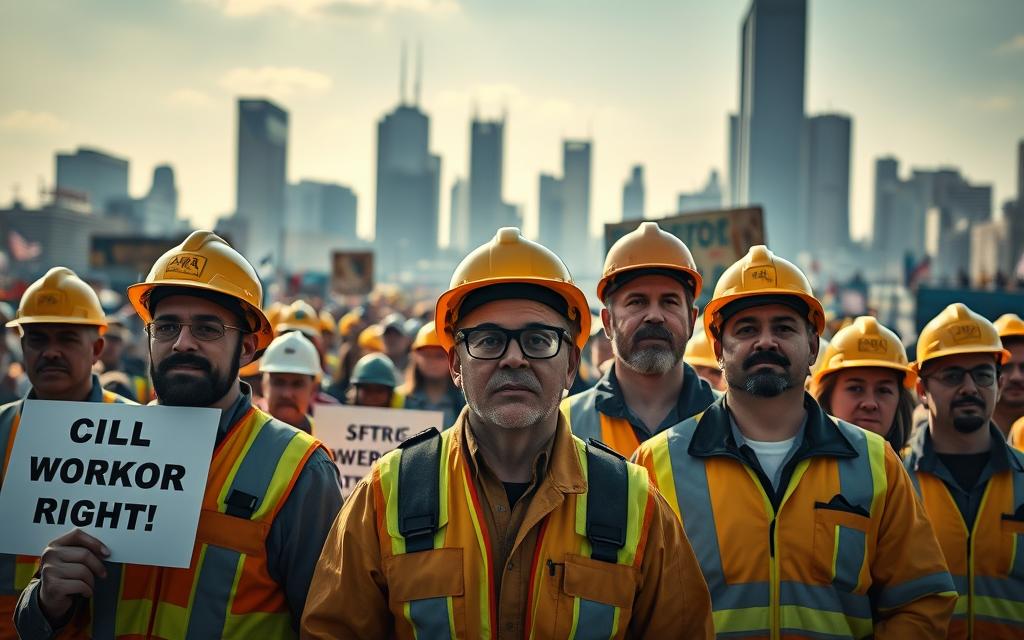
Workers get many benefits from unions. They help most when there’s a problem with rights. Unions give workers the tools to deal with tough work situations.
Union Representation and Support
Union reps offer big help by:
- Looking into work problems
- Giving legal advice
- Keeping workers safe from bad actions
- Making sure everyone is treated fairly
Collective Bargaining Agreements
Collective bargaining agreements set clear rules for work. These agreements cover:
- How much workers get paid
- Work conditions
- Benefits for workers
- How to solve problems
Advocacy for Fair Practices
Unions fight for fair work by pushing for change. They challenge bad practices, ask for laws that help workers, and make big changes for better work places.
Impact of Unfair Labor Practices on Workplace Culture
Unfair labor practices can cause big problems in work places. They upset the balance between bosses and workers. This leads to big changes in how people work together.
When bosses unfairly treat workers, it hurts everyone. The work place feels broken. People start to not trust each other.
Job Security and Employee Morale
When bosses unfairly punish workers, it makes things worse. Workers feel less safe and less happy. They might even quit their jobs.
- Decreased psychological safety
- Reduced commitment to organizational goals
- Increased stress and possible burnout
- Higher chance of looking for a new job
Long-Term Implications for Employers
Companies that don’t treat workers right face big problems. They might lose their good name. They could also have to pay a lot in legal fees.
- Damaged reputation in professional networks
- Potential legal expenses
- Hard time finding good workers
- Less work done overall
Workplace Dynamics Case Study
Studies show that fair labor practices help a lot. Companies that treat workers well keep their workers longer. They also work better together.
The Future of Labor Rights
The world of Workers Rights Under NLRA is changing fast. This is because of new tech and how workplaces are changing. Employees and bosses need to get used to new issues and chances in Labor Law Enforcement.

New trends are changing how we see Employee Protection Act rules. With more remote work and the gig economy, old labor rights ideas don’t work as well.
Emerging Trends in Labor Relations
- More focus on watching digital workplaces
- More remote and flexible jobs
- More jobs in the gig economy
- More digital tools for tracking worker rights
Potential Legal Reforms
Law experts think big changes are coming to deal with today’s work issues. These changes want to make workers safer while letting new tech in.
| Reform Area | Potential Impact |
|---|---|
| Digital Worker Monitoring | Tighter rules on privacy and consent |
| Gig Economy Classification | More benefits and safety for workers |
| Remote Work Rights | New rules for working online |
Role of Technology in Labor Practices
Technology is key in keeping worker rights safe. Artificial intelligence and blockchain are new ways to make sure work is fair and open.
New digital tools let workers track work conditions in real time. This helps them report any problems quickly and easily.
Final Thoughts on Unfair Labor Practices
Protecting worker rights is very important today. Knowing about ULP Examples helps employees spot and fix problems.
Working in today’s world is complex. Knowing your rights is key. When these rights are broken, it affects everyone at work.
Importance of Awareness
Knowing about unfair labor practices is the first step. Workers need to understand their rights. These include:
- Protection against discriminatory actions
- Right to organize and collective bargaining
- Freedom from workplace retaliation
Encouragement to Speak Up
Telling the NLRB about unfair labor practices is a strong move. Silence keeps problems going. But speaking out can lead to real change.
Strengthening Labor Rights for All
Every action helps make work fairer. By staying informed and using legal options, workers can change their workplaces.
The fight for fair labor never ends. Your knowledge, bravery, and dedication are vital. They help make work places fair for everyone now and in the future.
Additional Resources and Support
Dealing with unfair labor practices can be tough. But, there are many places to get help. The U.S. has government agencies, non-profits, and legal services to protect workers.
Workers facing unfair situations can get help from the National Labor Relations Board (NLRB). A Worker’s Rights Violation Lawyer can guide you through tough employment issues. They know a lot about labor laws and can help you understand your situation.
Filing a Labor Grievance gets easier with the right help. Groups like the Worker Rights Center and American Rights at Work offer free advice and learning materials. They have workshops, online tools, and direct support for workers facing tough situations.
Learning about workplace rights is key. Community colleges and labor centers offer training and seminars. These help workers know their rights and make workplaces better.


