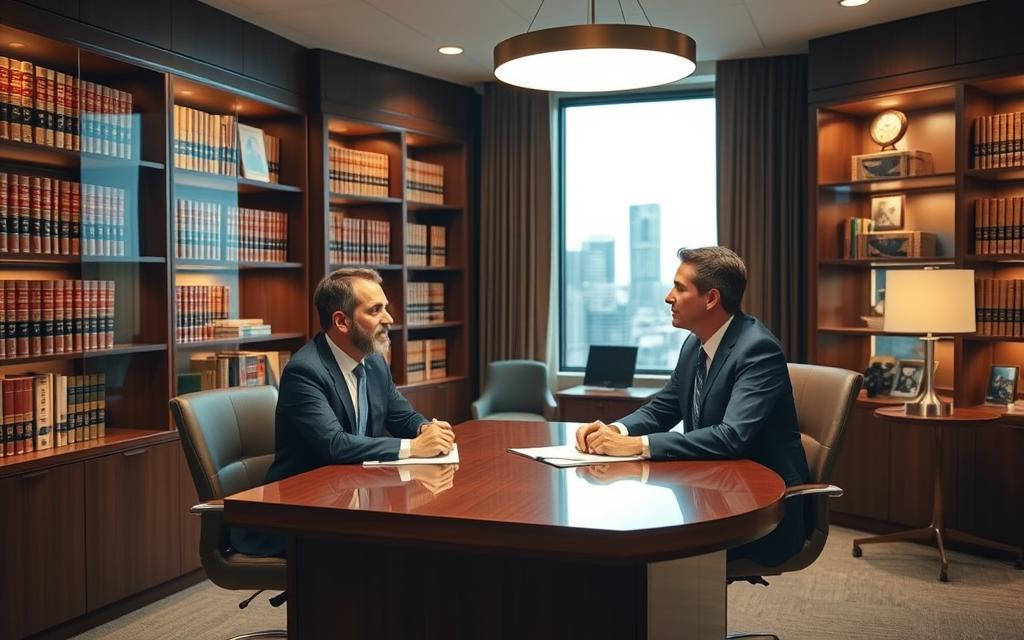
Discover what happens if a victim wants to drop charges. Learn about the legal process and implications for all parties involved.
What Happens If a Victim Wants to Drop Charges?
Does changing your mind erase the crime? Many assume that victims hold ultimate control over criminal charges, but the legal system operates differently. Once a case reaches prosecutors, it becomes a matter of public interest — not just personal choice.
In domestic violence situations, emotions often shift after initial reports. Fear, reconciliation, or pressure might lead someone to recant statements. However, state attorneys retain authority to pursue justice even if cooperation wanes. Evidence like 911 recordings, medical records, or witness accounts can sustain a case without the victim’s active participation.
Florida’s laws, for example, explicitly place dismissal power with prosecutors — not individuals. Courts review motions to dismiss, weighing societal safety alongside a victim’s wishes. This approach prevents coercion and ensures accountability, but complicates personal autonomy.
An experienced attorney becomes critical here. They negotiate with prosecutors, challenge evidence gaps, and protect clients’ rights during hearings. Understanding this balance between personal intent and legal protocol is vital for anyone navigating these waters.
Key Takeaways
- Prosecutors, not victims, decide whether charges proceed in criminal cases.
- Recanted statements don’t automatically stop legal action if other evidence exists.
- State laws (like Florida Statutes §741.2901) prioritize public safety over individual requests.
- Medical reports and witness testimony often substitute for victim cooperation.
- Legal counsel helps navigate negotiations and court procedures effectively.
Understanding the Role of the Victim in Criminal Cases
When emotions collide with legal protocol, domestic violence cases often reveal a complex dynamic. Victims provide crucial testimony, but prosecutors hold final authority over charging decisions under criminal law. This separation ensures justice isn’t derailed by shifting personal sentiments or external pressures.
A skilled criminal defense lawyer in Maryland can protect your rights during tough legal battles. They provide guidance when stakes feel overwhelming. With experience, they fight for the best possible outcome.
Victim Testimony vs. Prosecutorial Authority
An alleged victim’s account can strengthen a case, but it rarely acts as the sole determinant. Texas prosecutors, for instance, routinely use 911 recordings, medical reports, and witness statements to build arguments. Even if someone retracts their initial claims, these materials may still meet the burden of proof required by law.
In one recent Texas case, a recanted statement didn’t prevent conviction because bodycam footage and neighbor testimonies corroborated injuries. Such scenarios highlight how defense attorneys must prepare for evidence-based challenges rather than relying on witness cooperation.
Impact on Case Outcomes
Inconsistent statements from an alleged victim create hurdles for both sides. While prosecutors might subpoena reluctant witnesses, defense teams can leverage contradictions to cast doubt. However, state laws prioritize public safety—particularly in domestic violence matters—meaning cases often proceed even without active victim participation.
Legal outcomes hinge on how well each side presents evidence. A skilled defense strategy might highlight gaps in documentation, while prosecutors emphasize patterns of behavior through historical police reports or third-party accounts.
What Happens If a Victim Wants to Drop Charges
Legal systems prioritize public safety over individual preferences in criminal proceedings. While cooperation matters, prosecutors maintain final authority to advance or dismiss cases based on evidentiary strength.

Requesting Charge Dismissal and Its Limitations
Individuals seeking to withdraw complaints must submit formal requests through court channels. However, state laws often require judicial review of these motions. In domestic violence case scenarios, courts frequently deny such requests if medical records or police bodycam footage substantiate allegations.
Prosecutors assess three key factors when reviewing dismissal petitions:
| Factor | Prosecution Weight | Defense Counterarguments |
|---|---|---|
| Evidence Quality | High (911 calls, photos) | Chain-of-custody gaps |
| Witness Reliability | Medium (neighbor accounts) | Memory inconsistencies |
| Public Risk | Critical (repeat offenses) | Rehabilitation efforts |
The Prosecutor’s Discretion in Decision-Making
State attorneys balance community protection with case viability. Over 60% of violence cases proceed without victim testimony in jurisdictions with no-drop policies. Digital evidence like text messages often replaces live witness accounts during trial phases.
Criminal defense lawyers scrutinize procedural errors to challenge continuations. A skilled defense lawyer might highlight timestamp mismatches in surveillance footage or conflicting medical opinions about injury origins.
Final dismissal decisions require approval from both judges and prosecuting attorneys. This dual-layer review prevents abrupt case termination while preserving defendants’ rights.
Effects of an Uncooperative Victim on Domestic Violence Cases
Prosecutors face uphill battles when domestic violence victims withdraw cooperation. While their testimony strengthens cases, legal systems rely on alternative evidence to maintain accountability.
Challenges in Building the Prosecution’s Case
Without victim participation, prosecutors pivot to secondary proof. 911 call transcripts often become central evidence, alongside medical reports documenting injuries. Witness accounts from neighbors or first responders fill critical gaps.
Judges may dismiss cases if evidence appears weak or contradictory. However, states like California allow bodycam footage to substitute for live testimony. A skilled criminal defense attorney might challenge timestamp accuracy or witness credibility.
| Prosecution Hurdles | Defense Opportunities | Court Considerations |
|---|---|---|
| Limited direct testimony | Highlight evidence gaps | Public safety priorities |
| Reliance on old statements | Question witness motives | Subpoena enforcement |
| Emotional jury perceptions | Argue procedural errors | State law compliance |
Legal Implications of Non-Appearance in Court
Courts can compel testimony through subpoenas, with failure to comply risking contempt charges. In 2023, Ohio judges issued 1,200+ bench warrants for absent witnesses in domestic violence trials.
Prosecutors sometimes use initial police reports to counter recanted stories. Defense teams leverage these inconsistencies to undermine the state’s narrative. Even without victim input, bodycam videos often sway jury decisions.
Case outcomes depend heavily on how well each side adapts. While dismissal remains possible, most court systems prioritize documented patterns over temporary witness reluctance.
Strategies Used by Defense Attorneys in Criminal Defense
Building a robust defense requires meticulous strategy and precision. Criminal defense teams dissect every element of a case, searching for weaknesses in the prosecution’s narrative. This process often determines whether charges proceed or collapse under scrutiny.
A skilled criminal defense lawyer in Maryland can protect your rights and guide you through complex legal challenges. They fight tirelessly for fair outcomes in court. Choosing the right attorney can make a significant difference in your case.

Developing a Strong Defense Strategy
A skilled defense attorney starts by reconstructing events. They gather timestamps from surveillance footage, phone records, and third-party accounts. Corroborating evidence with family statements or alibis can dismantle accusations.
Three pillars shape effective defenses:
- Challenging forensic validity (chain-of-custody errors)
- Presenting alternative narratives (self-defense claims)
- Exposing procedural missteps (improper Miranda warnings)
Leveraging Inconsistent Testimonies and Evidence
Contradictions in witness statements become powerful defense tools. If a victim’s courtroom testimony conflicts with initial police reports, defense teams highlight these disparities to create reasonable doubt.
Prosecutors rely heavily on 911 calls and medical records. However, a sharp attorney might question:
- Emotional bias in emergency calls
- Delayed injury documentation
- Witness credibility gaps
Most law firms offer free consultations to assess case viability early. This proactive approach allows defendants to understand potential outcomes and build counterarguments before formal charges solidify.
The Importance of Evidence and Testimonies in Prosecution
Evidence often speaks louder than words in the courtroom. Prosecutors build cases using physical proof that withstands emotional shifts or witness reluctance. Tangible materials like 911 recordings and medical documentation frequently become the foundation for domestic violence charges, even when cooperation fades.

Role of 911 Calls and Medical Records
Emergency calls capture raw accounts of incidents. Dispatchers timestamp events and record vocal stress patterns, creating time-sensitive evidence. Medical reports add weight by linking injuries to alleged actions. Together, these elements form a chain that prosecutors use to reconstruct timelines without live testimony.
Law enforcement gathers digital proof through bodycams and phone data extraction. Police reports detail initial observations, while forensic teams analyze blood spatter or bruise patterns. This multi-source approach helps prosecutors meet legal standards for evidence admissibility during trial.
Three factors determine if evidence holds:
- Clear chain of custody
- Correlation with other proof
- Compliance with state rules
A skilled lawyer examines these factors during pre-trial reviews. They might challenge delayed medical evaluations or background noise in 911 audio. For instance, experienced attorneys often uncover timestamp mismatches that weaken prosecution timelines.
Robust evidence collections enable trials to proceed even without verbal accounts. Juries typically favor cases with overlapping proof types, making thorough documentation critical for both sides.
Understanding No-Drop Policies in Domestic Violence Prosecutions
Why can’t some domestic violence cases be stopped once started? Many states enforce strict “no-drop” policies requiring prosecutors to pursue violence charges regardless of a victim’s change of heart. These rules prioritize public safety over personal wishes, treating such cases as crimes against society rather than individual disputes.

State Policies and Prosecutorial Discretion
District attorneys follow guidelines that limit dismissal options. For example, California mandates prosecution if evidence like 911 calls or medical reports exists. This reduces reliance on victim testimony, focusing instead on objective proof.
Three factors keep cases active under no-drop policies:
- Documented injury patterns (bruises, ER visits)
- History of police involvement
- Risk of escalating behavior
Even when charges dropped requests occur, prosecutors often proceed using photos, witness statements, or text messages. A free consultation with defense attorneys helps defendants navigate these complex rules. Legal teams analyze bodycam footage and challenge evidence chains to build counterarguments.
While victims may recant, courts prioritize patterns over temporary cooperation. Skilled attorneys use this to negotiate plea deals or expose weak evidence. Understanding these policies early shapes stronger defenses against persistent violence charges.
Conclusion
Navigating the legal landscape after charges are filed requires understanding key realities. While personal wishes matter, prosecutors hold final authority over criminal charges under state law. Evidence like 911 recordings, medical reports, and police documentation often outweighs a victim’s changed stance.
In domestic violence cases, strict protocols prioritize public safety over individual requests. Even if someone recants, courts review patterns of behavior through historical evidence. A skilled defense attorney challenges weak links in documentation or witness credibility to protect clients’ rights.
Each case hinges on how well prosecutors and defense teams present their arguments. For those facing charges, early legal guidance is critical. Many firms offer a free consultation to explore defense strategies tailored to unique circumstances.
Remember: justice systems focus on documented proof, not fleeting emotions. Partnering with experienced attorneys ensures informed decisions at every stage of complex legal battles.